

Die Geschichte der Unternehmensgruppe Lehmann
Wer vorausschauend agiert, meistert die Zukunft.
1926
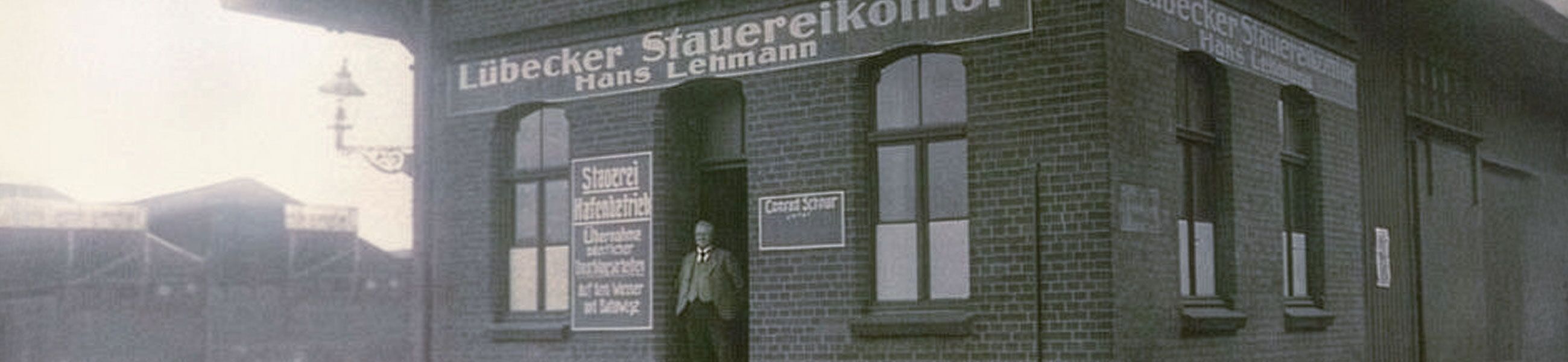
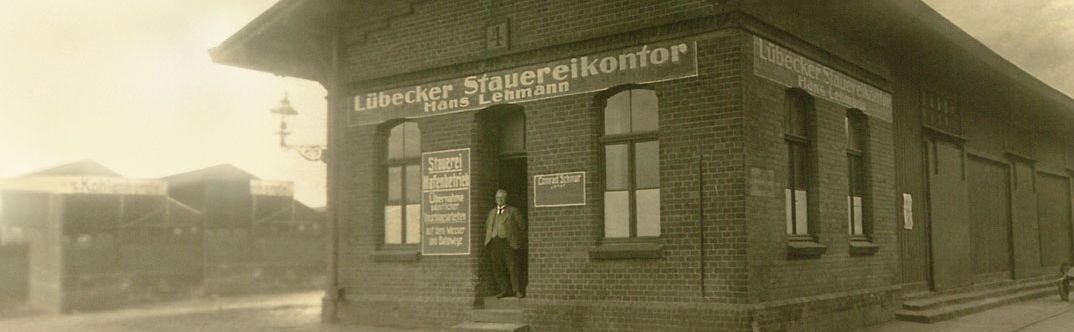
In 1926, Hans Lehmann laid the foundation for the powerful Lehmann Group with his Lübeck-based freight forwarding office. Even today, three generations later, the Lehmann family continues to shape the company’s successful strategy across shipping, port operations, ready-mixed concrete, and fuel trading.
Around 75 years ago, Lehmann began expanding into new markets, responding quickly and flexibly to the rapid developments at the end of the 1920s. The first new business areas included coal and building materials trading.
1952
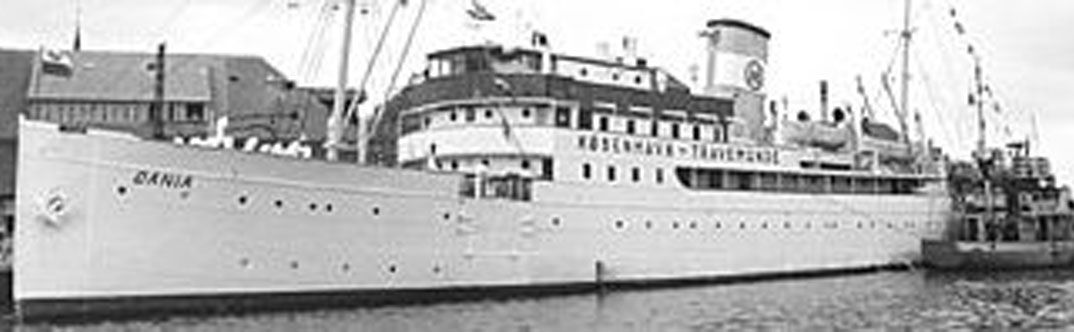
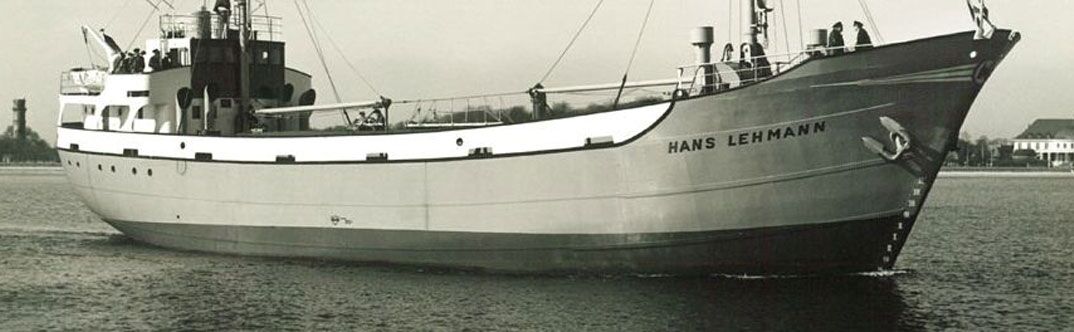
A landmark year for Lehmann: the motor ship DS "DANIA" entered the liner service between Lübeck-Travemünde and Copenhagen, becoming the first passenger ship under the German flag after the war. At the same time, the order for the coastal motor ship "HANS LEHMANN" marked the beginning of a long series of newbuilds, ensuring the company always operated modern vessels for its customers.
In the same year, Lehmann leased a storage area with quay facilities from the federal government in Lübeck-Herrenwyk, adjacent to the Flender shipyard. Over the years 1976–1994, the 50,000 m² property was acquired in three stages, initially for handling bulk goods. After the construction of a Ro-Ro berth and new warehouses, the site has been used since 1996 for handling paper and cellulose, as well as loading new vehicles.
1963
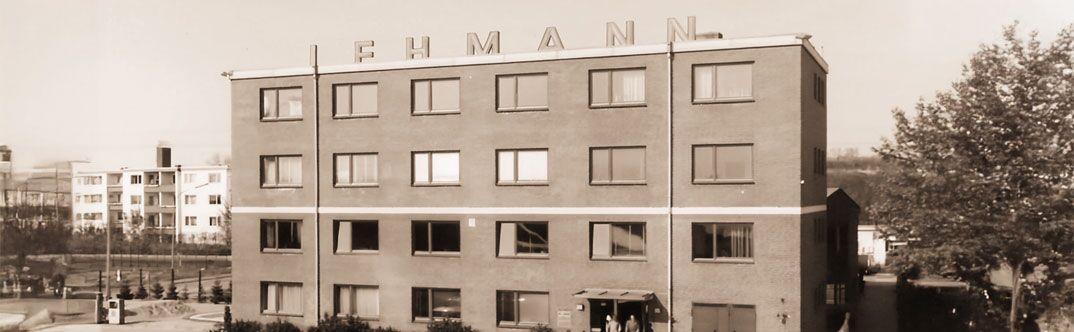
When storage space in Herrenwyk became insufficient, Lehmann acquired the 62,000 m² former shipyard site of Gebr. Goedhardt in Lübeck-Siems in 1962. A new quay with a 10-ton harbor crane was constructed and commissioned in 1963 as Lehmannkai 1. Over the years, the site was continuously expanded with concrete mixing plants, a sea gravel processing facility, and administrative buildings.
1965
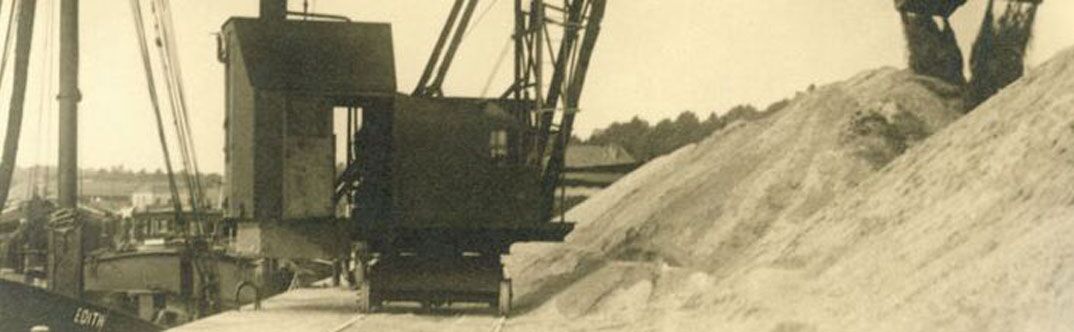
Reliability and quality have always been hallmarks of Lehmann. By the mid-1960s, the company had established a leading position in self-extracted sea gravel, refined gravel, and ready-mixed concrete. Participation in major projects such as highways, bridges, and airports became routine business.
1991 - 1995
When the metalworks closed in 1991, Lehmann seized the opportunity to lease the harbor facilities, including a 500-meter quay and 40,000 m² quay area. The harbor cranes and loading equipment were purchased from the insolvency administrator, and the port was put into operation for bulk cargo handling. In 1995, the property with its quay was purchased from the Hanseatic City of Lübeck and extensively reinforced and prepared.
2004 - 2010
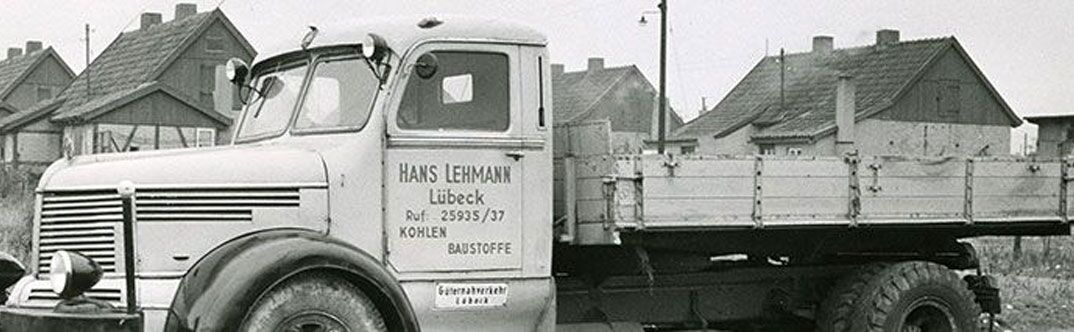
The Lehmann Group continued to invest in all business areas: in equipment and technology, logistics, and personnel. With new partnerships, Lehmann expanded internationally while remaining firmly rooted in the region.
In 2004, the adjacent Flender shipyard ceased operations, and Lehmann acquired the site, developing a Ro-Ro terminal for ferry services to the Baltic states and Russia. On the 30-hectare property, customs buildings, warehouses, a new rail connection, and large parking areas for trailers and vehicles were constructed.
In 2010, the company expanded its harbor facilities once more by acquiring the former Container Terminal Lübeck (CTL), adding 80,000 m² of modern port space. Today, the site hosts Lübeck’s only full-container terminal, with two state-of-the-art harbor mobile cranes, each with a lifting capacity of 125 tons—the largest harbor crane capacity in Lübeck. From 1956 to 2013, Lehmann was also a familiar presence in Lübeck, supplying heating and bunker oils with its distinctive green tank trucks.
2013 - 2015
2013 marked a major milestone: Holger Lehmann refocused on the core businesses of shipping, port operations, and ready-mixed concrete, while peripheral businesses in mineral and building materials were discontinued. The green tank trucks continued to serve private and commercial customers on behalf of Hoyer.
The ships MS Mai Lehmann, MS Alessandra Lehmann, and MS Siegfried Lehmann were acquired from the insolvency of Reederei Buss, significantly rejuvenating the Lehmann fleet.
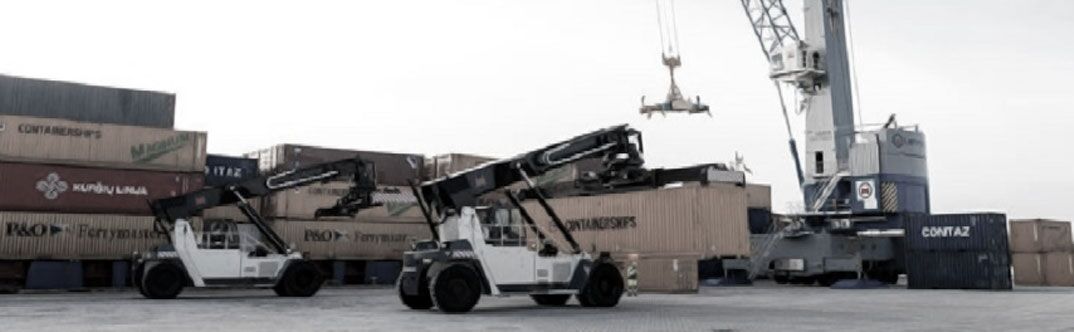
At the Cargo Terminal Lehmann, a container ship berthed on Christmas Eve 2013 after more than four years, marking the restart of Containerships’ liner service. Initially, handling was performed with one, and later from November 2014, two harbor mobile cranes.
In February 2015, the first train for combined transport entered the terminal’s tracks, loaded with trailers supplying a major Swedish grocery retailer, with three weekly departures initially.
2015 - 2017
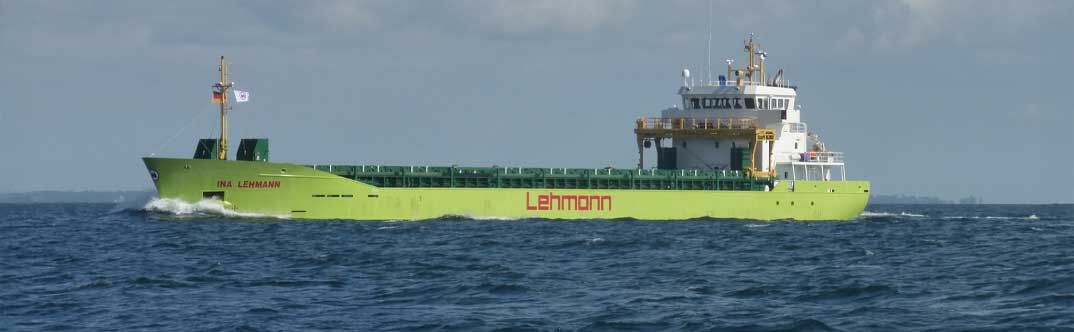
The modernization and expansion of the fleet and harbor operations progressed rapidly. The shipping fleet was rejuvenated with the delivery of MS Ina Lehmann (2017) and a sister ship, MS Heike Lehmann. Older vessels were upgraded with the latest technology to ensure environmental sustainability.
2017 - 2019
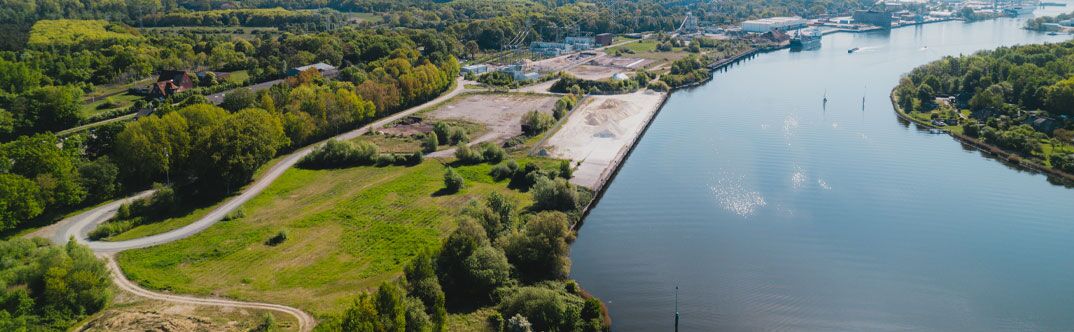
Significant expansion areas were acquired for port operations. The former scrap yard at Mühlenkamp closed the gap between Lehmannkai 1 and the Cargo Terminal, while the NWK power plant site formed the foundation for the westward expansion of Lehmannkai 1. An additional 270,000 m² became available, aptly named “Lehmannkai 1+.”
In 2019, Henrik Lehmann entered the company as fourth-generation assistant to the management, preparing to take over the helm.
2020 - 2022
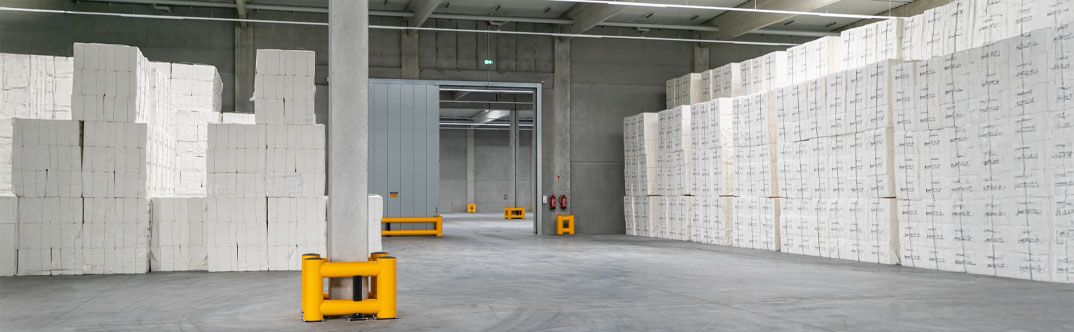
Growing pulp handling volumes required additional storage space. In spring 2020, construction began on a 13,200 m² warehouse at Lehmannkai 2 to allow efficient handling from sea vessel to rail and truck. The hall was completed in 2021. Simultaneously, a 2,700 m² lightweight hall was built at Lehmannkai 3 for weather-sensitive goods.
Also in 2020, the OnePlus Logistics GmbH & Co. KG was founded as a 100% subsidiary of Hans Lehmann KG, offering full logistics services across Europe, including storage, handling, transport, customs, insurance, and monitoring.
MS Heike Lehmann was launched in mid-2020 at the Royal Bodewes shipyard in Hoogezand, Netherlands, joining the fleet.
2023 - 2025
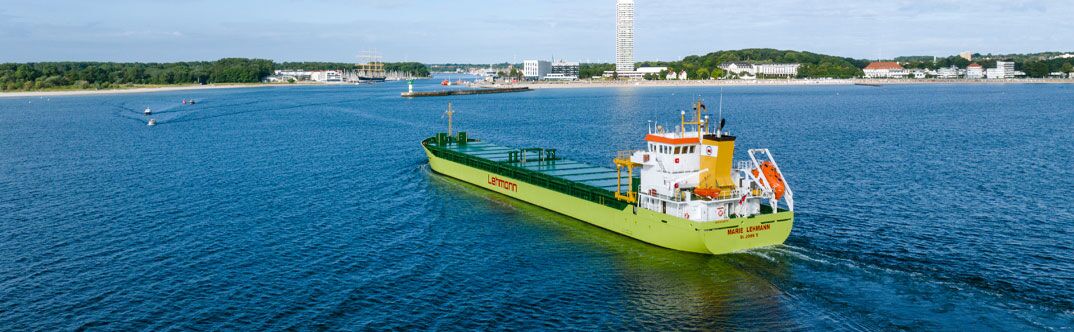
The newbuild MS Marie Lehmann was commissioned and delivered in early 2025 as the flagship and largest ship of the fleet. Two further ships are planned for delivery in late 2027 (MS Bea Lehmann) and 2028 (MS Hans Lehmann).
Following a merger with the Papenburg Group, the Lehmann ready-mixed concrete plants now operate under GP Hanse Frischbeton GmbH & Co. KG, ensuring a future-proof and market-oriented supply of concrete in Lübeck and Mecklenburg.

2026
A new operational fuel station with a washing facility will be built at Lehmannkai 2, replacing two old stations to meet modern environmental standards and enable more efficient workflows.